A quiet week

Inevitably, it can sometimes feel as if we’re not doing enough to develop reading in school. There are always the big events such as World Book Day and National Poetry Day. More important, though, are the quiet weeks, where much of the work takes place behind the scenes. It’s what happens in those weeks that gives us a real sense of how embedded and valued the school reading culture is.
Esther Brown, teacher and English lead at Hawes Primary School, suggests carrying out an occasional audit. This involves looking at the reading opportunities that take place in a normal week - if such a thing exists in schools anymore. It’s worth carrying out as an English lead, and particularly valuable when undertaken alongside a handful of children from each class.
I’ve done this a couple of times over the academic year and have always found the results interesting. Most recently, I discussed it with pupils from our three Y5/6 classes to get their views.
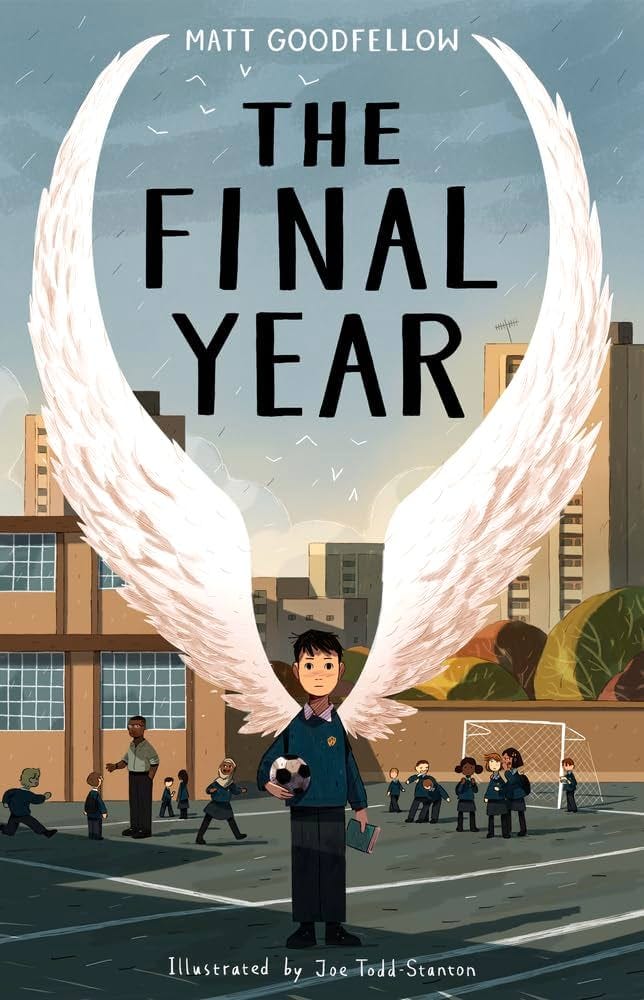
First, they were happy that we were reading two books simultaneously as a class, and that there was a link between them. The Final Year, by Matt Goodfellow, is our class novel, and Skellig, by David Almond, is the text we’re studying in English. They talked about connections between the books and speculated about whether the authors had exchanged ideas.
We then looked at some of the wider reading we’d done across the curriculum that week, including the language used by estate agents when writing adverts in English, and a variety of non-fiction texts about big cats in Science. They specifically mentioned that they preferred to read whole books rather than just extracts, as it ‘makes more sense’. This gave a broader picture of how reading threads through our curriculum.
Our daily routines, such as independent reading and Poem of the Day, were also discussed, with some children saying that they enjoy getting out the cushions and beanbags, finding a cosy spot in the classroom to read. Despite the pressures of KS2 assessment, I was particularly pleased that this routine had remained in place.
Once we’d talked about the reading that happens every day, we discussed what else had been going on. Several children had worked on updating the song lyrics folder, which has rapidly become the most popular reading material in class, and another group had updated the pupil recommendations shelf. Some had also been coming in at lunchtime to select books to take down and read in the KS1 playground, as well as to refresh the stock in the KS2 Reading Shed.
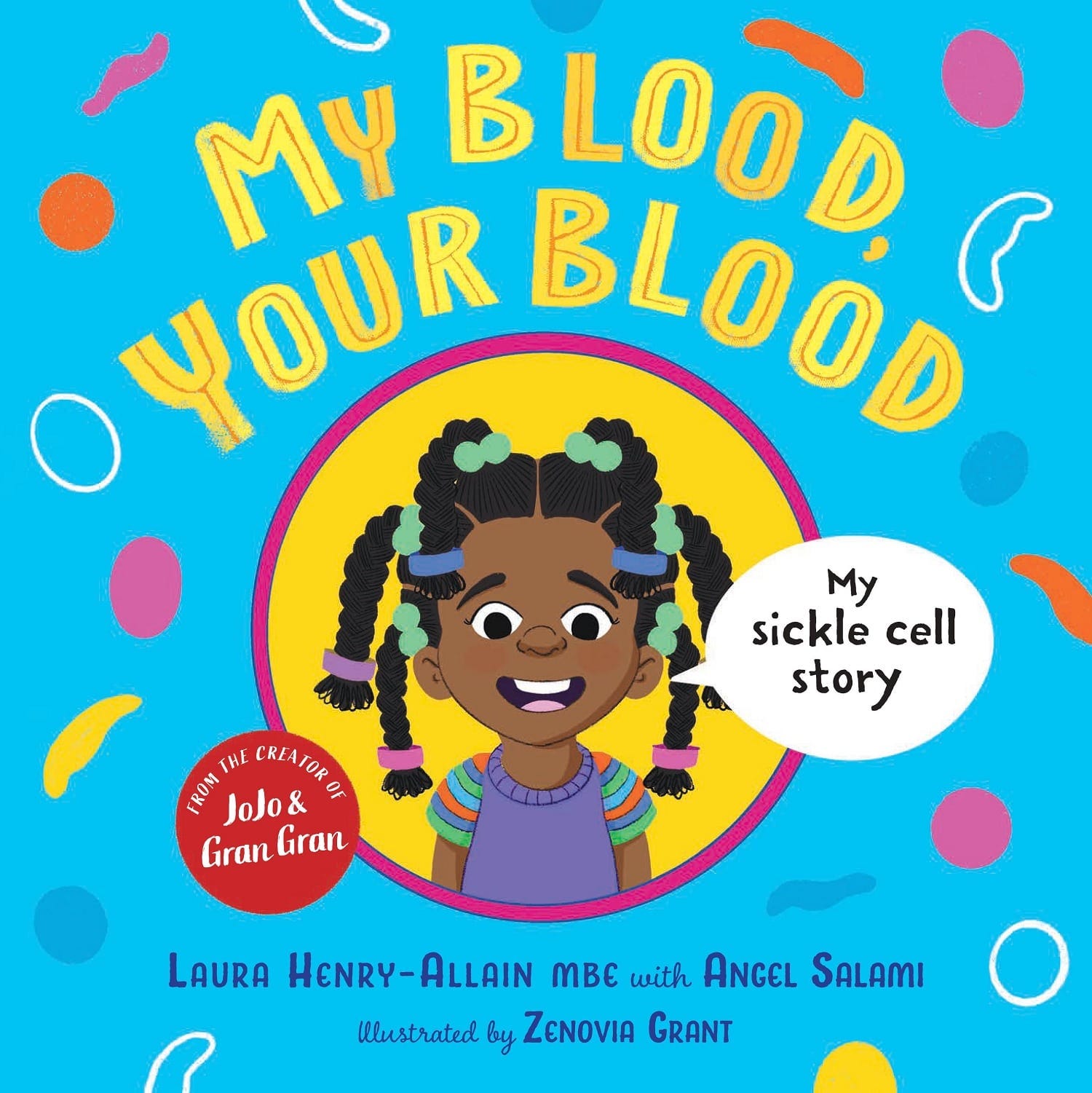
As always, one of our weekly assemblies is based around a picturebook. This time, it was My Blood, Your Blood by Laura Henry-Allain MBE, which tells the moving story of a young girl with sickle cell. We also shared it with families in an attempt to raise awareness of the importance of donating blood.
Much of this is child led. In terms of my role as an English lead, I delivered a short training session to our team of Year 5/6 Reading Buddies, where I provided them with a few empathy-based questions they could use with their partners. I organised this term’s rota of staff volunteers to read a story in our after-school library slot. At the start of the year, we were only getting two or three pupils to attend; we’re now getting about twenty. I also sorted out and distributed a generous donation of magazines from a parent, which included back issues of The Phoenix and The Week Junior, both of which are very popular in school, and contacted our local library about a visit from our Year 1 pupils.
What had initially felt like a quiet week turned out to be anything but. Looking back, there was a lot more going on than I realised. However, most of what was happening was driven by the pupils. It was all based around routines that are sustainable, manageable and firmly embedded in the life of the school.
Time is always short in schools but, if you can, do try and spend five minutes thinking about your school’s reading culture at least a couple of times over the academic year. It’s important to reflect on and celebrate the progress made, as well as consider the next steps in a strategic way.
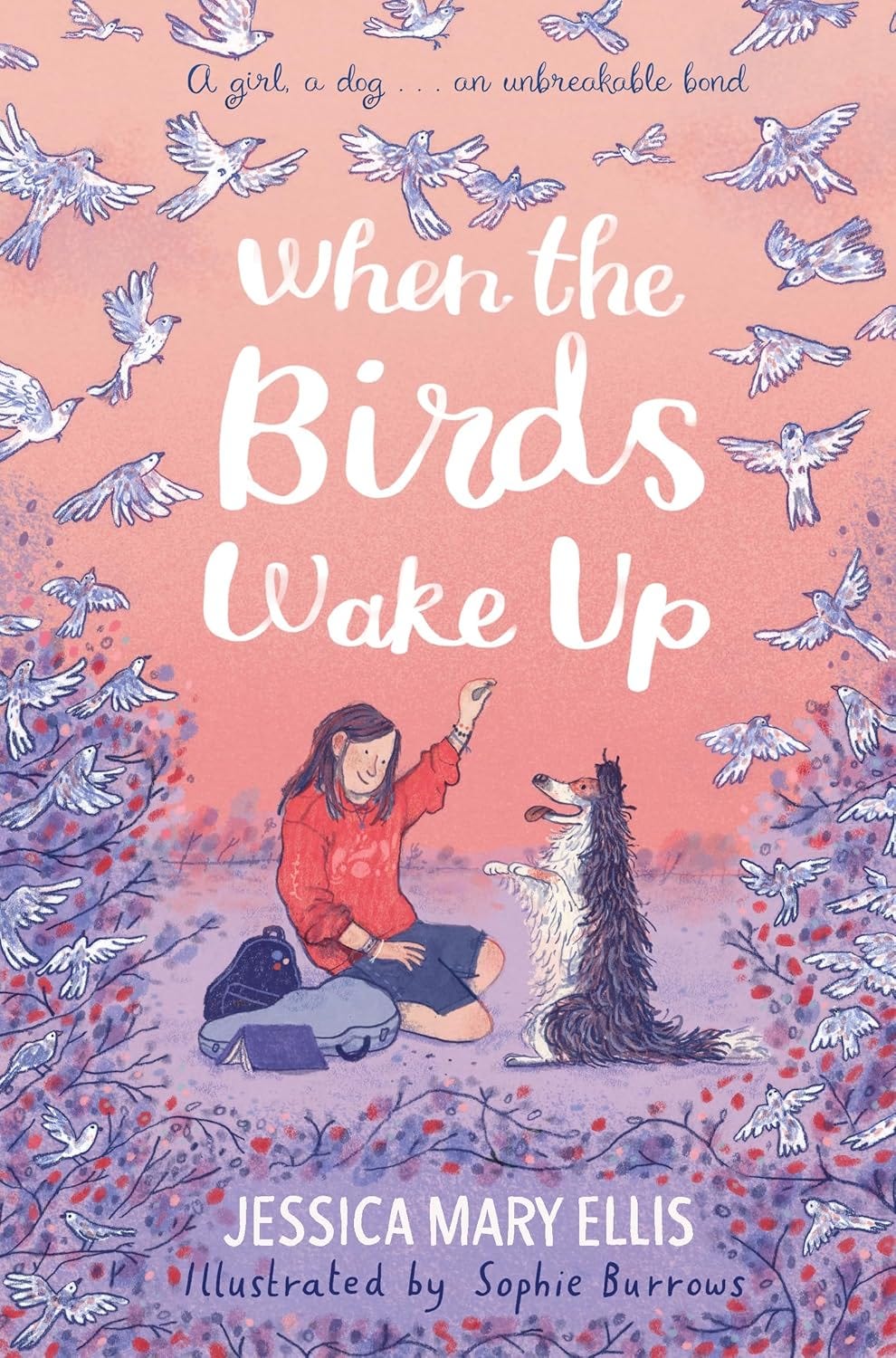
As an aside, I recently read a review copy of the verse novel When the Birds Wake Up by Jessica Mary Ellis (illustrated by Sophie Burrows). It’s incredibly good - perhaps one of the most emotionally powerful children’s books of the past few years.